
Gugul
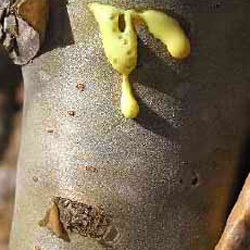
Gugul is a natural extract of the sap of an Indian myrrh tree that has been valued for 3000 years for use in medicine,incense and perfume.Lately it has been used as a therapeutic to other cholesterol-lowering modern drugs.
Part of Plant Used
Gum resin
Particularly resin from the Commiphora mukul tree, is widely used in traditional Indian Ayurvedic medicine. After 2,500 years of successful use, this herb from north-central India is making its way into the arsenal of alternative practitioners. The high-quality standardized gugul extracts of today make it a viable alternative in the treatment of cholesterol abnormalities and obesity. The active component of gugul is the sterols E- and Z-gugulsterone. These compounds have been studied for a variety of metabolic effects, but gugulsterones have been noted for their anti-inflammatory effect.
Traditional and Other Therapeutic Uses
Lowers LDL cholesterol while raising HDL cholesterol controls and reduce obesity.
Toxicity,Cautions and Contraindications
In the north Indian state of Jammu, the Regional Research Laboratories investigated gugul for its effect on rheumatic diseases and found it to be free of any "adverse and undesirable side-effects." The high-quality standardized gugul extracts of today make it a viable adjunct in the treatment of cholesterol abnormalities and obesity. Before making any changes, however, it is wise to confer with a physician.